
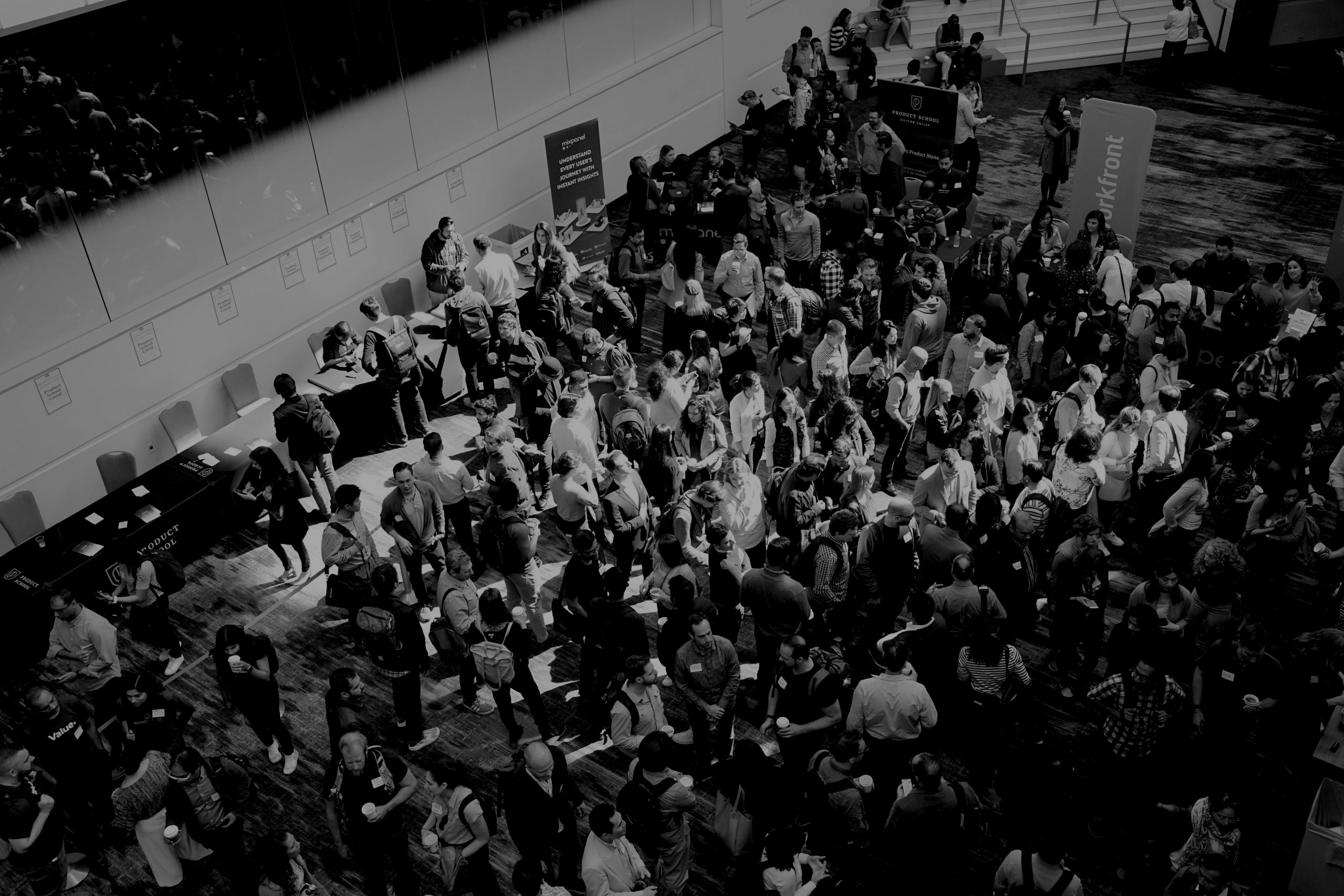

CES is part trade show, part marathon, part pressure cooker.
For a lot of companies, every demo is a test. Every badge you glance at could belong to someone who decides whether your story flies or dies.
We have seen brilliant products disappear at CES because of avoidable errors. We have also seen mediocre tech punch way above its weight by doing the basics aggressively well.
This piece breaks down the common PR mistakes that quietly kill momentum, coverage, and credibility. Real-world errors we see every year on the show floor.
If you are spending the money, the time, and effort to exhibit at the show, read this before you ship your booth.
PR Mistakes Brands Keep Making
1. Not Knowing Who You Are Talking To
You would be shocked how many at-the-booth conversations start before a name and organization is known to the exhibitor
You need to know if you’re talking to a reporter from a key outlet, a buyer from a big chain, or someone else relevant to your company. If you do not anchor the interaction immediately, you lose control of it.
Read the badge. Introduce yourself. Ask who they are and what they cover. Establish context before content.
What to do to mitigate trouble
- Media train your team before pitching.
- Make badge reading non-negotiable. If you cannot see someone’s badge ask them their name and organization
CES rewards situational awareness. Treat every interaction like it matters, because it does.
2. Fuzzy Messaging That Leaves People Confused
If someone walks away from your booth unable to explain what problem you solve, you have already lost.
Clear messaging is oxygen at CES. You need sharp language around:
- The problem you are solving
- Why it actually matters
- How your solution is different from the ten others doing something similar
Reporters are inundated at the show. If your message is vague, it will not survive the mental filter they apply after their tenth meeting of the day.
What to do to mitigate trouble
- Lock-in primary problem statement. Find a few ways to articulate it
- Define one unmistakable differentiator. Find several ways to say it.
Strong messaging travels. Weak messaging evaporates.
3. Prototypes That Get Stage Fright
Nothing ends a CES conversation faster than a demo with tech that does not work.
You do not get a second chance once a prototype fails in front of a journalist. A half-working prototype is worse than no prototype at all.
If you are demoing, it needs to function under stress, noise, bad WiFi (which the show is known for), and human error.
What to do to mitigate trouble
- Demo-test in hostile conditions before CES.
- Have a backup unit ready at all times.
- Know exactly what you will do if something breaks. One good technique is to have a video handy and do demos with two team members
4. No Tracking, No Follow-Up, No Momentum
CES does not end when the lights go off and everyone heads to Harry Reid airport.
If you are not tracking who you spoke to, when, and what they cared about, you are burning opportunity.
Names, outlets, angles, and product interest are not admin work. They are fuel for post-show coverage. The smartest companies see CES as the beginning of a year-long process.
What to do instead
- Assign someone to own contact tracking.
- Log conversations daily, not later.
- Capture context while it is fresh.
Example tracking framework:
| Name | Outlet | Date | Topic Discussed | Email Address | Sample Interest |
| Robert Sulie | Tech Crunch | 9/01/2026 | Product Performance | hello@email.com | HexRX – 1 |
This is how you turn CES conversations into real press.
5. Untrained Teams Talking Themselves Out of Coverage
Media training, pre-show, is critical (whether you are going to a media showcase or just exhibiting).
Concise messaging is the difference between interest and indifference. Everyone you have on the floor represents the brand. Not just founders.
What to do instead
- Media train everyone attending CES.
- Arm them with tight answers and clear pivots.
Confidence comes from preparation. As does better coverage
Why CES Punishes These Mistakes So Hard
CES compresses time, attention, and patience (even your health if you are not careful)
You are competing against thousands of companies for finite editorial bandwidth. That means mistakes compound faster and forgiveness disappears.
The brands that win CES understand this. They do not improvise their story in real time.
How to Avoid Common PR Mistakes at CES 2026
TLDR:
- Know exactly who you are speaking to.
- Say less, but say it clearly.
- Test prototypes pre show
- Track everything / everyone worth following up on.
- Media train all your people
If you want help tightening your messaging, pressure-testing your demos, media training your team, or building a post-show coverage engine that actually converts, we should talk.
Book a 30-min chat here. Or, you can reach out to Jackson directly at jackson@properpropaganda.net or call +1 514 605 9255 / Borjana at
borjana@properpropaganda.net