
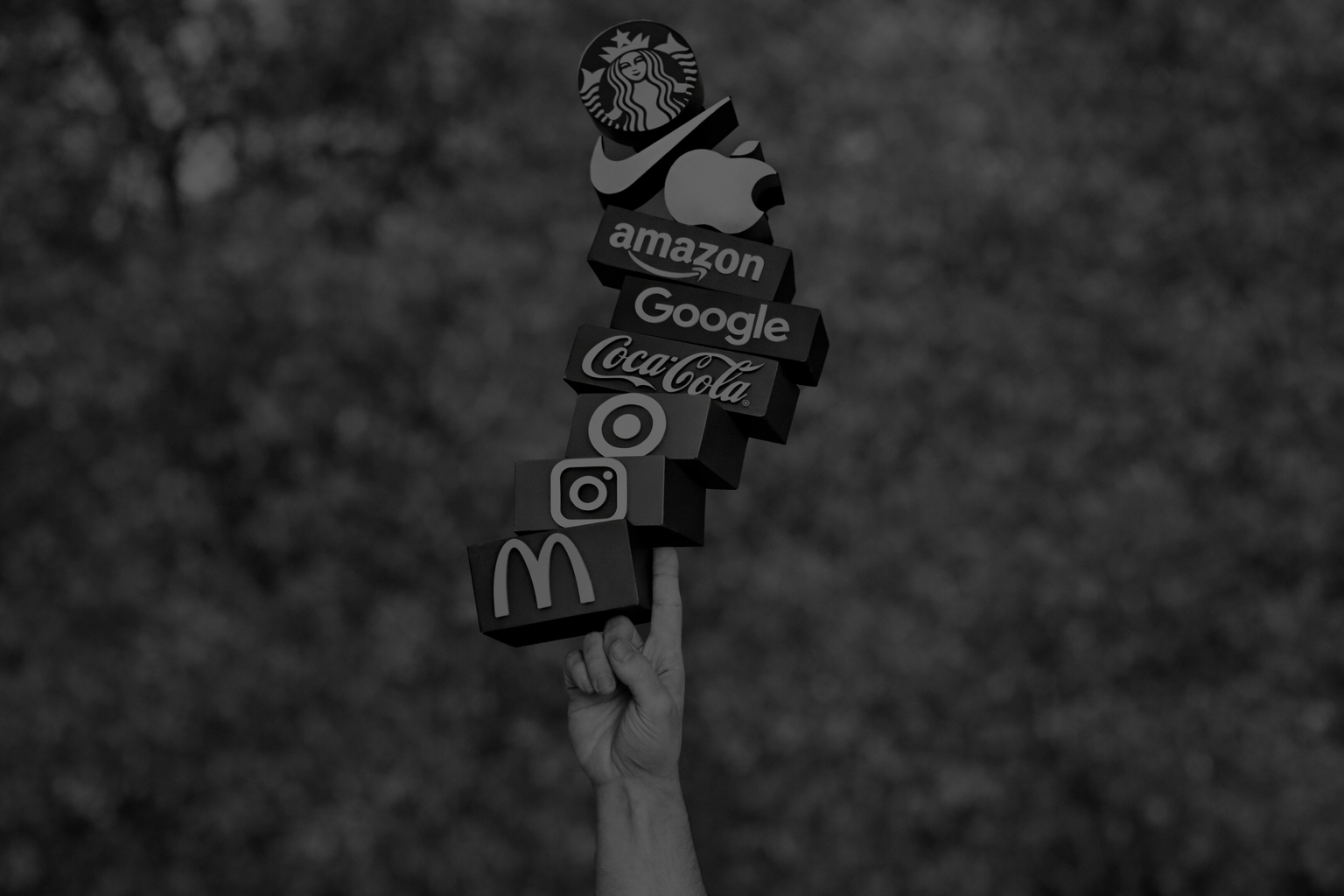

In the US, buying decisions are shaped less by price and specs and more by brand, trust, and familiarity. This is a structural feature of how the US-consumer market works, and it is why market entry here punishes brands that underinvest in PR and brand building.
Recognition Dramatically Increases Purchase Likelihood in the US
US consumers respond disproportionately to recognizable brands.
Straits Research found that brand recognition can increase purchase likelihood by up to 80% among American consumers, driven by visual consistency and repeated exposure.
That scale is meaningful. Brand is not a small optimization. It determines whether a product is considered at all.
PR is the system that creates recognition at scale, across media, culture, and third-party validation. Without it, performance marketing introduces products to an audience that is structurally resistant to the unknown.
Trust Is a Requirement, Not a Bonus
In the US market, trust is not optional.
Capital One Shopping research shows that 81% of US consumers say they must trust a brand before making a purchase. Trust precedes transaction.
Salsify’s 2025 consumer research explains why this matters economically. 87% of shoppers say they are willing to pay more for products from brands they trust.
Ads can introduce a brand. Trust comes from being seen, validated, and consistent over time. That is where PR does its work.
Brand Equity Pulls Consumers Back From Cheaper Alternatives
If price were the dominant driver in the US, private-label adoption would be permanent. It is not.
EMarketer notes that private label brands are evolving beyond just budget alternatives and are increasingly designed to build customer loyalty and repeat purchase behavior.
While private labels are often associated with lower prices, retailers are increasingly investing in branding, design, and product quality, recognizing that sustained adoption depends on shaping perception, not competing on price alone.
This is brand equity at work. Not claimed quality, but perceived quality shaped by long-term exposure and validation.
PR investment is what sustains that perception when competitors compete on price.
Americans Pay More and Stay Loyal Longer
US consumers are unusually resilient to price increases when trust exists.
A recent survey reported by Customer Experience Dive found that nearly three-quarters of U.S. consumers said they would continue to buy their favorite brands even if prices increased, and they were willing to pay, on average, about 25% more for those trusted brands.
That pricing power is not created at checkout. It is earned upstream.
Consistency Converts Into Revenue in the US
Brand impact in the US is measurable at the revenue level.
Recent 2025 data show that 60% of companies reported consistent brand presentation added 10–20% to their revenue growth. That uplift comes from higher recognition, reduced friction in the customer journey. Consistency across media, marketing, and leadership makes buying easier and loyalty stronger.
PR is the mechanism that enforces that consistency. Without it, brands fragment and the revenue benefit fades.
The US Is More Brand-Loyal Than Many Other Markets
Foreign brands often misjudge the US because they assume consumer behavior is universal. It is not.
Research published in the International Business Review shows that brand and relationship equity play a stronger role in driving loyalty in Western markets than in Eastern ones. In practical terms, American consumers are more likely to base repeat purchases on brand trust and long-term relationships.
By contrast, as Ashley Dudarenok notes, brand loyalty in China is driven more by social proof and constant visibility than sustained attachment. Newness and cultural momentum matter more than heritage.
This distinction explains why bottom-funnel-heavy strategies that rely on constant promotion or novelty can work elsewhere, but often fail in the US, where familiarity, trust, and consistency carry more weight over time.
The Failure Cost of Being Unknown
When a brand is weak in the US, the outcome is predictable.
Unknown brands compete on price.
Price competition inflates CAC.
Discounting erodes margins.
Growth becomes dependent on continuous spend.
This is not a messaging problem. It is a structural economic penalty for skipping brand formation.
Bottom Line
Brand matters more in the US because Americans buy trust before they buy products.
Recognition changes behavior.
Trust enables pricing power.
Consistency drives revenue.
PR is not a cultural preference for US market entry. It is required infrastructure.