
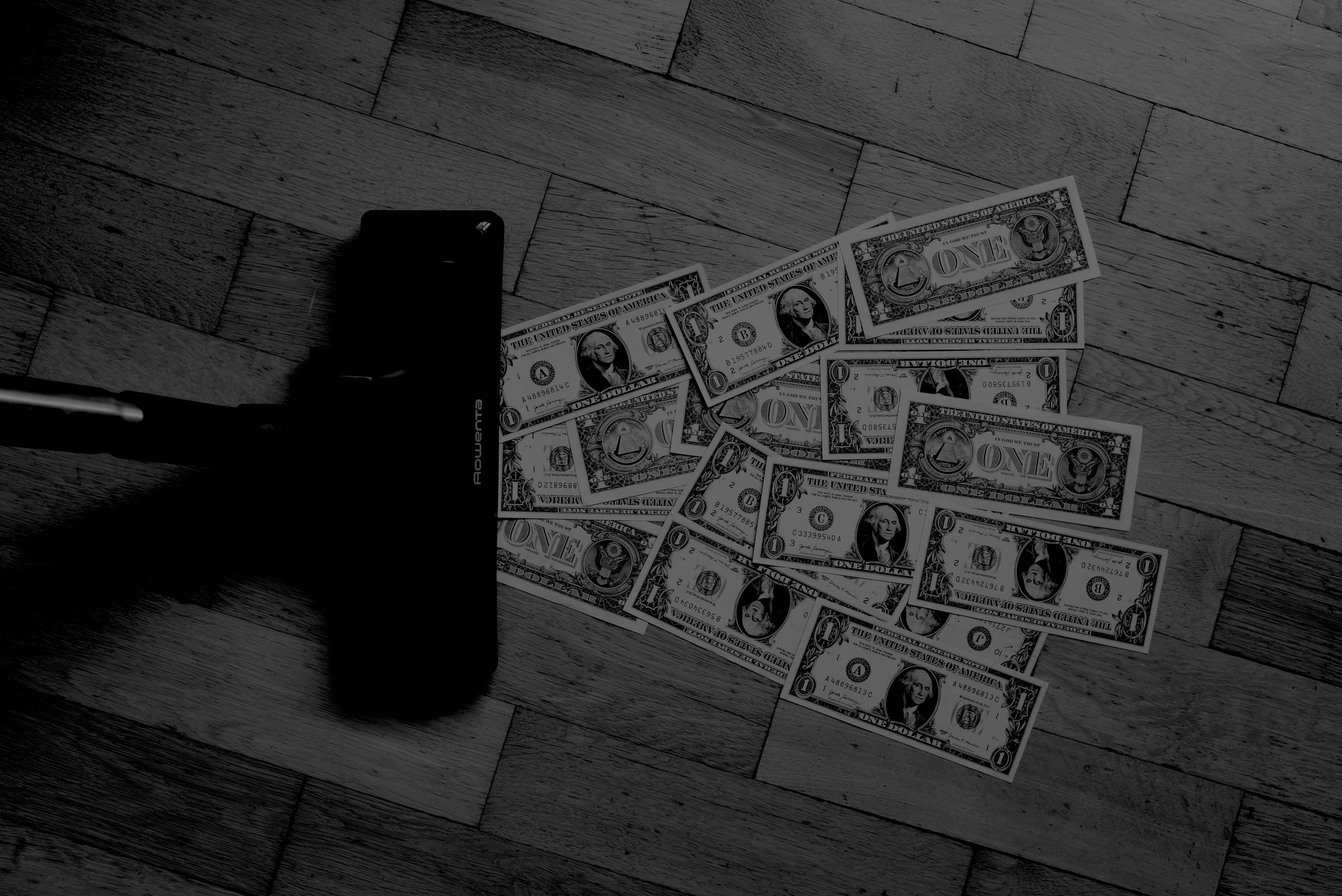

Customer acquisition costs rise fastest when brand familiarity is low, and the United States is unforgiving to anonymous brands. PR is not optional. It determines whether performance spend scales efficiently.
When PR is underfunded, CAC inflation is not a surprise. It is a reality.
Familiarity Lowers the Cost of Conversion
Familiar brands convert more easily. Buyers who already recognize a brand need fewer impressions, fewer clicks, and less persuasion to act.
Research consistently shows that engaged customers generate more revenue than disengaged ones, and that engagement is driven by familiarity, trust, and repeated exposure across channels. In practical terms, this means brand presence lowers friction before a consumer ever encounters an ad.
When that presence is missing, performance campaigns are forced to do two jobs at once. They must introduce the brand and close the sale at the same time. Paid channels are not primed for this and the result is predictable. CAC rises.
Consistency Creates Efficiency
Consistency matters because it simplifies decisions. When buyers see the same narrative and signals across search, media, social, leadership visibility, and owned content, they move faster.
Research shows that consistent brand presentation across platforms can increase revenue by more than 20 percent. That lift does not exist in isolation. It directly affects acquisition costs. Familiar, coherent brands require fewer impressions and lower bids to convert.
PR is what enforces that consistency in the real world. Without it, brands fracture across channels. Messaging drifts. Performance spend becomes less efficient because the brand no longer feels settled or trustworthy.
Retention Is the Hidden Variable in CAC
High-familiarity brands do not just convert more cheaply. They retain better.
Industry research shows that acquiring a new customer can cost five to twenty-five times more than retaining an existing one, and that modest increases in retention drive disproportionate profit gains. Brand trust and recognition are central to that math.
When PR is absent, churn increases. Performance teams are then forced to spend more just to replace lost customers. CAC rises again, not because the media got worse, but because trust was never secured.
Why the US Punishes Anonymity
American consumers are unusually trust-driven. Research from the Edelman Trust Barometer shows that a majority of consumers will not consider buying from brands they do not trust, regardless of price or availability.
This makes the US different from markets where novelty, price sensitivity, or rapid switching dominate. In the US, unfamiliar brands are not neutral. They are disadvantaged.
When trust is missing, marketers pay for it downstream. Higher bids. Higher CAC. Deeper promotions to compensate for skepticism.
The Cost of Failure is Structural
When PR is underfunded, performance does not pick up the slack. It becomes more expensive.
Recent history makes this clear.
When Bud Light suffered a brand credibility collapse in 2023, sales dropped sharply and remained depressed for months. The response was not optimized. It was aggressive discounting and promotional spend to stabilize volume. CAC rose as brand demand fell.
Casper prioritized performance marketing over sustained PR, relying heavily on paid search, social, and affiliates while using PR for launch hype rather than ongoing narrative control. As competition intensified, CAC inflated year over year, discounts became necessary, marketing costs rose to 30–35% of revenue, and the brand shifted from preference-led to price-compared, slowing growth despite increased spend.
These are extreme cases, but the mechanism is the same for emerging brands. Loss of familiarity leads to higher acquisition costs. Performance spend shifts from growth to damage control.
Bottom Line
In the US, CAC inflation follows a pattern.
Underfund PR and familiarity stays low.
Performance costs rise.
Retention weakens.
Profitability erodes.
If the goal is lower CAC, PR cannot be treated as discretionary spend. It demands infrastructure. Build it early, or pay for it later.