
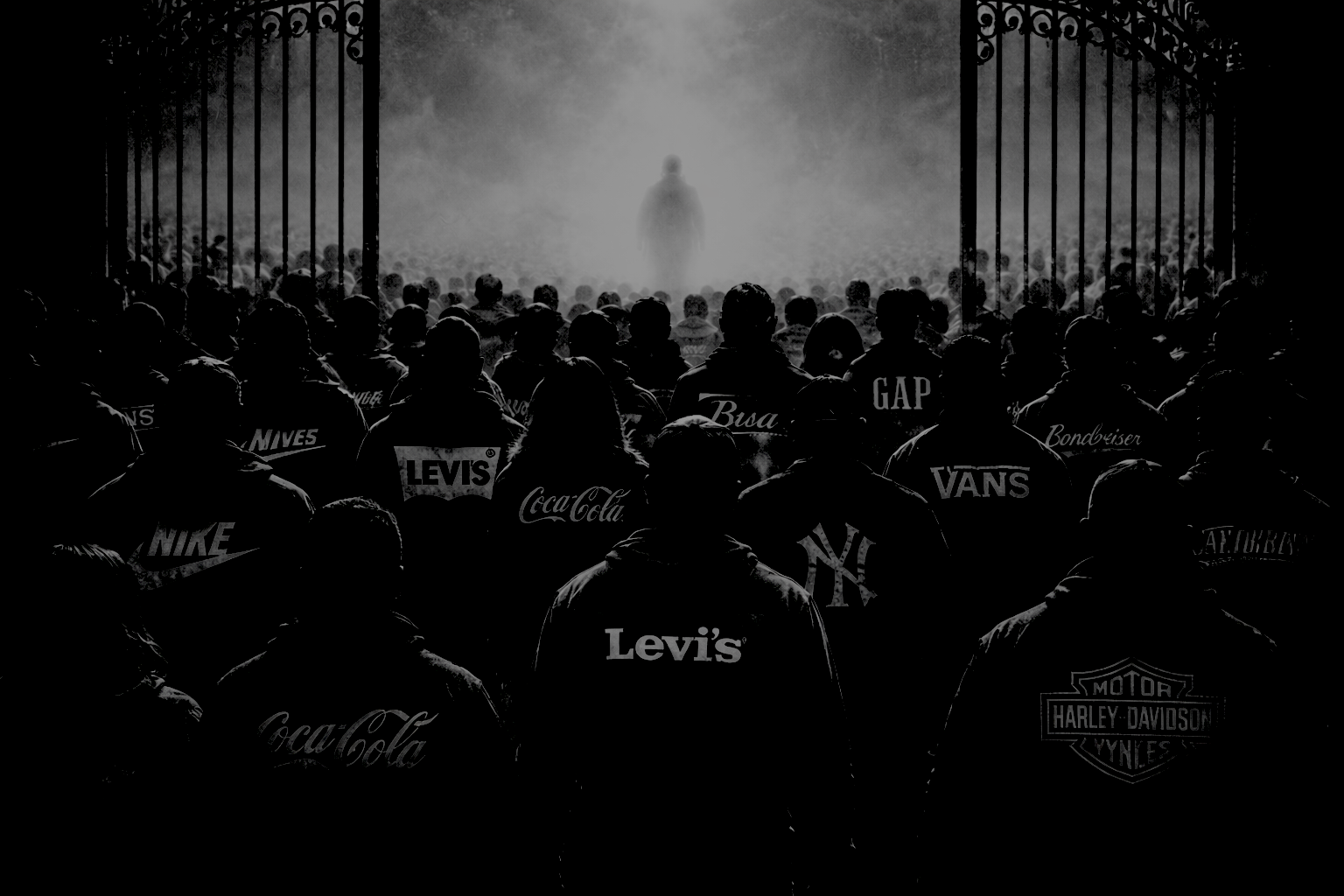

In the United States, trust must exist before a transaction happens. American consumers make trust a prerequisite for purchase, not a by-product of conversion. PR is the fastest way to establish credibility at scale. Without it, brands are structurally locked into discounts, promotions, and rising acquisition costs.
Trust Determines Whether Americans Buy
Edelman’s 2025 Trust Barometer shows that 81% of consumers need to trust a brand before they consider buying from it. This figure reflects how essential trust has become as a baseline for purchase decisions.
Trust has shifted from nice-to-have to gatekeeper status in the purchase funnel. Brands that lack credibility fail to enter the consideration set in the first place.
Trusted Brands Command Premiums
Consumer trust does not just influence whether people buy. It affects how much they are willing to pay.
PwC research shows that 73% of consumers are willing to pay more for products from brands they trust, and trusted brands often command 15–25% higher pricing without losing market share.
This premium is particularly powerful in the US market, where many categories compete primarily on price. When trust exists, price stops being the deciding factor.
Trust Boosts Loyalty and Reduces Churn
Trust is also deeply tied to long-term loyalty.
A brand-trust survey shows that 73% of consumers say they are more loyal to brands perceived as authentic, rising year over year. Authenticity and trust now function as loyalty multipliers rather than marginal differentiators.
That loyalty carries real economic consequences. Repeat buyers are cheaper to serve, refer more customers, and reduce overall marketing costs versus first-time buyers.
Trust Breaks Down When It Is Missing
Data from consumer trust studies show a sobering counterpoint: only about half of consumers actually trust the brands they buy from, despite most saying trust is essential.
That gap between what consumers expect and what brands deliver on trust is where many strategies break down. Without credibility, buyers hesitate, comparison-shop, or fall back on familiar names, pushing brands into a cycle of :
- High acquisition costs
- Heavy discounting
- Lower lifetime value
- Reduced pricing power
Consumers simply will not buy, or will only buy at a discount, when trust has not been earned.
Why PR Is the Fastest Path to Trust in the US
Trust is not earned evenly across all channels. Performance ads can generate clicks, but they do not by themselves establish credibility. What builds trust is sustained third-party validation, executive visibility, narrative presence, and reputation management.
PR delivers these trust signals at scale:
- Independent media coverage
- Thought leadership placements
- Influencer and third-party endorsement
- Narrative framing that positions the brand in cultural conversations
These signals accelerate trust far faster than performance marketing alone.
The Failure Cost of Trust Deficit
When brands skip PR and rely solely on performance or promotions, the consequences are structural:
- CAC increases because unfamiliar brands are harder to convert
- Discounting becomes a default tactic, eroding margin
- Future demand is weakened because new people are not exposed to the product
You need to build trust before conversion.
Bottom Line
In the US, trust is the literal gatekeeper of purchase.
Trust determines whether consumers will consider a brand.
Trust dictates how much they will pay.
Trust influences whether they become repeat buyers.
PR is the fastest, most scalable way to build that trust.